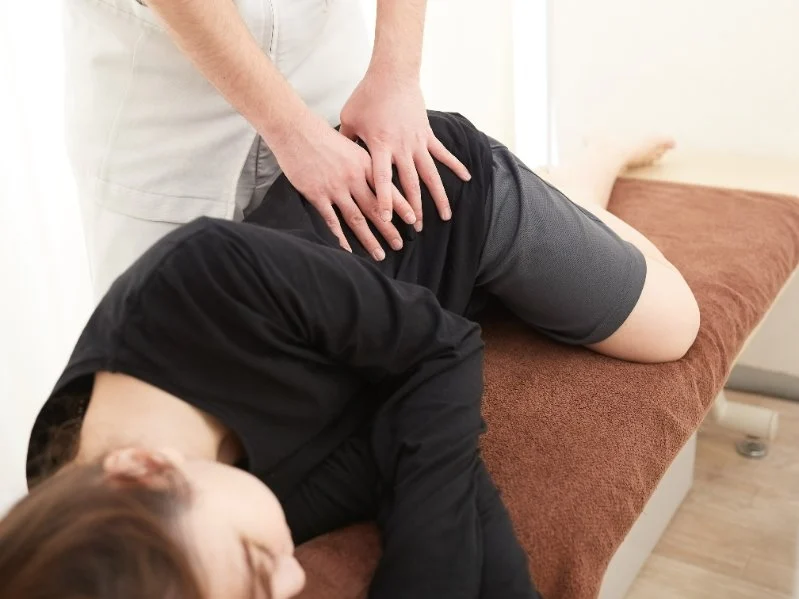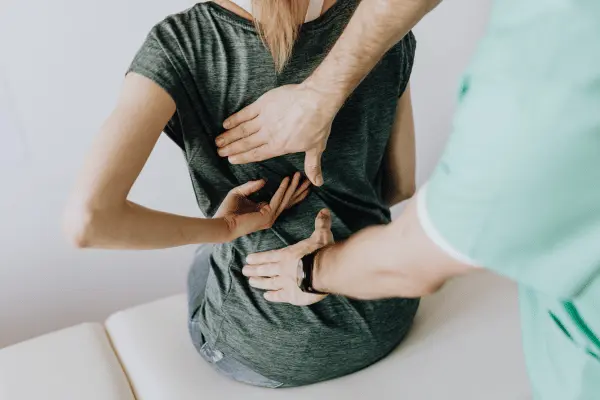
You enter a physio clinic because your shoulder, knee or back hurts. You lie down on the treatment table, expecting some hands-on magic from your therapist. A bit of muscle tension release, a bit of joint manipulation, a bit of pulling and stretching. At the end of the session, you walk out the door feeling like new. But, in reality, you leave with three exercises and a resistance band.
You might think: “If the physio can fix it, why do I have to do all these exercises?”
The simple answer is: physiotherapy is not just simply fixing your body for you. It is about helping your body become capable of managing the demands that you have thrown at it.
Manual therapy and exercise
Manual therapy, the hands-on magic – massage, dry needling, cupping, joint mobilisation, shockwave therapy. Whatever the technique is, it genuinely helps get rid of pain. Think of this analogy. Imagine your body is like a building with security alarms. When you get injured, the alarm triggers. This is when you feel pain. Therapists are like the building managers coming in, assessing the situation, using manual therapy to settle down your pain, silencing that alarm. Now, the job is not complete yet. Therapists still have to assess the security measures of the building, whether it requires fixing or upgrading. This is where an exercise program comes into play, to prevent further alarms from going off.
An exercise program builds capacity for your tissue to tolerate day-to-day activity and/or teaches your nervous system that movement is safe. This does not happen from just lying on the treatment table, it happens through repetition, where your body is asked to do a bit more each time.
Your body needs to adapt. When you regularly challenge a muscle, tendon or cardiovascular system, it responds to that demand. Over time, it can become stronger and more capable of handling the activity. This is why we will gradually increase the difficulty of your exercises so that your body gets stronger bit by bit.
Common questions around exercise:
“I already do exercise; I go to the gym.”
General exercise is good; however, rehabilitation exercises are different. They are specifically selected and tailored by your therapist to address your weakness. Rehab is separated into stages by the therapist and monitored to ensure exercise is introduced at the adequate intensity that creates adaptation in the body, but also not placing too much stress through the tissue.
“Felt like massage fixed it last time.”
It’s great that massage helped settle your symptoms. However, pain relief does not always mean the underlying issue has been addressed. There may still be a strength or capacity deficit that could contribute to another flare-up. Manual therapy can help settle symptoms, while targeted exercise can help build your body’s capacity to prevent them from returning.
What you can do about it right now
We, therapists, cannot do the exercise for you. We can assess, identify, provide treatment plans and guide your rehab. Recovery extends beyond in-house sessions to what you do in between sessions. The ultimate goal is not for you to need physiotherapy forever. We might help you get out of pain today, but more importantly, we want you to become stronger, more independent and more confident in managing your own body.
Consistency is key. Three sessions a week done properly beats a one-off heroic session that you cannot sustain. Follow the exercises that we have prescribed, stick to the plan and impress us.
What we actually do here
We do hands-on treatments, paired with an exercise program that’s specifically built for your needs. We will explain the reason for each exercise, guide you through the correct movement and adjust as you improve. If something isn’t working, we change it so you can tick off your rehab goals.
Feeling better, then flaring up again?
That cycle is usually a sign something hasn’t been addressed yet. Book an appointment online or call us on 03 7032 4855. We’ll settle the pain first, then build a plan with you to help keep it from coming back.
By Daniel Chen
Daniel Chen is a physiotherapist who graduated from Monash University. He has a particular interest in musculoskeletal injuries, helping people better understand their pain and return to activities they enjoy.