
Tennis Elbow
Don’t let elbow pain sideline your sport, work, or daily routine.
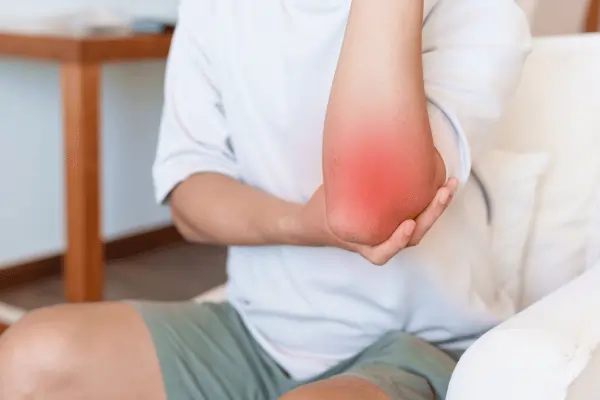
Peninsula Physio & Rehab
Got Nagging Elbow Pain That Won’t Go Away?
Tennis elbow might start as a small niggle, but over time, it often becomes a source of constant frustration. Whether you spend your days at a desk, running a business, or running after kids, nobody needs elbow pain slowing them down.
If you have elbow pain, even simple, everyday movements, like lifting your morning cup of coffee or turning a door handle, can trigger pain. For those with hands-on jobs or active lifestyles, this pain may quickly begin to affect work performance, training, and overall quality of life.
While many people try to push through the discomfort or rest their arm for a few weeks in hopes their symptoms subside, they often find that the pain keeps coming back. This is because, without the right treatment, tennis elbow may become more persistent and harder to resolve.
Peninsula Physio & Rehab
What is Tennis Elbow?
Tennis elbow, or lateral epicondylitis, is an overuse injury of the forearm extensor muscles and tendons, which leads to pain on the outside of the elbow.
As the name suggests, it’s often caused by playing tennis, but may also result from:
- Other racquet sports (such as squash)
- Sports that require repetitive movements (such as weight lifting or fencing)
- Painting with a roller or brush
- Typing and using a mouse
- Frequent use of hand tools (such as a chainsaw)
- Sewing and knitting
- Professions that require repetitive movements (such as butchery or carpentry)
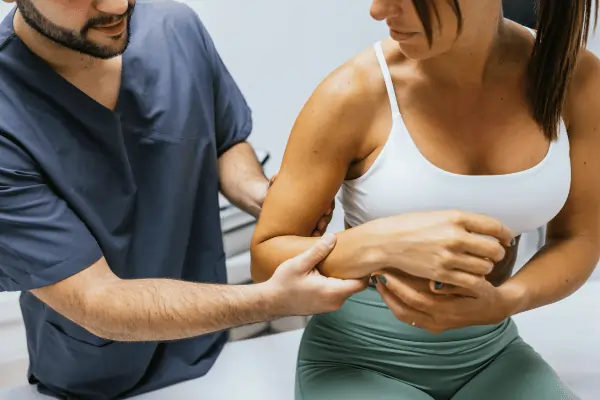
Your experienced Frankston physiotherapist will typically aim to diagnose tennis elbow through physical examination. However, they may need to order additional tests (such as X-ray, MRI, or electromyography) to rule out other possible causes.
Peninsula Physio & Rehab
Tennis Elbow Symptoms
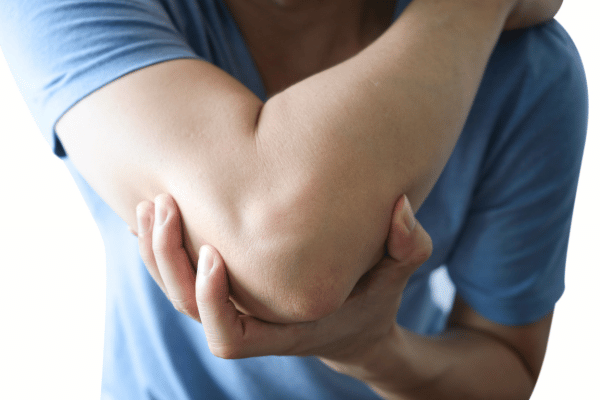
For many, the main symptom of tennis elbow is pain and tenderness in the bony knob on the outside of the elbow joint. This may range from mild discomfort to severe pain, and it may begin to radiate into the upper or lower arm if left untreated.
Other symptoms of this condition may include:
- Pain or discomfort that worsens with gripping, lifting, or twisting
- Redness and/or swelling
- A lump or bulge in the elbow or arm
- Stiffness (particularly first thing in the morning)
- A weak grip
- Difficulty straightening the arm

Peninsula Physio & Rehab
Tennis Elbow Treatments
Pain associated with tennis elbow will generally worsen over time and may even become chronic, so we recommend you seek treatment from a physiotherapist sooner rather than later. This is because complete rest rarely solves the problem.
Treatment focuses on improving the tendon’s capacity for handling load and rebuilding tolerance. Some of the elbow pain treatments your physiotherapist may suggest include:
- Pain relief and anti-inflammatory medications
- Taping, bracing, or splinting
- Task modification to reduce aggravating movement
- Hot or cold therapy
- Soft tissue massage
- Stretching and strengthening exercises
- Manual therapy
- Joint mobilisation
- Shockwave therapy
In severe cases where the pain doesn’t improve and where non-invasive treatments have failed, surgery may be recommended.

Peninsula Physio & Rehab
Answering Your Tennis Elbow Questions
How long does it take to recover from tennis elbow?
Depending on the underlying cause and severity, most people will notice a significant improvement within two weeks and will make a full recovery in four to six weeks. It’s recommended that you continue treatment for six to eight weeks in an effort to prevent recurrence.
Can tennis elbow be prevented?
You may be able to take some steps to lessen the likelihood of developing this condition, including:
- Avoiding repetitive arm and wrist movements where possible
- Avoiding completely bending or straightening your arm
- Holding tools and sports equipment with a looser grip (to take some of the tension away)
- Stretching and warming up before physical activity
- Ensuring that your equipment is suited to your height and weight
Can tennis elbow resolve on its own?
In some mild cases, symptoms may temporarily settle with rest. Without addressing the underlying issue, however, the pain often returns.
If left untreated, tennis elbow may worsen and even become chronic. Pain may spread, grip strength may decline, and recovery may take significantly longer. Targeted physiotherapy may help ensure a more complete and lasting recovery.
Can I still exercise if I have tennis elbow?
In most cases, yes. Exercise may actually play an important role in recovery from this condition, but it needs to be the right type and intensity. A tailored program provided by your physiotherapist may help you to stay active without worsening your symptoms.
Peninsula Physio & Rehab
Why Peninsula Physio & Rehab?
Individualised Treatment Plans
No two cases of tennis elbow are the same. We tailor your treatment to your symptoms, lifestyle, and goals (whether that’s returning to sport, work, or daily activities).
Focus on Long-Term Results
We don’t just aim to manage your pain; we address the underlying cause to potentially reduce the risk of recurrence. From your first session, we guide you with clear, practical advice and support.
Education and Empowerment
We help our clients develop a clear understanding of their condition and symptoms so that they may manage it and potentially prevent future flare-ups.
Don’t Let Tennis Elbow Hold Your Swing Back
Tennis elbow may be persistent, but the good news is that it generally responds well to a structured rehabilitation program. The right treatment will aim to address the root cause rather than simply masking your symptoms, help you understand the condition, and potentially provide a pathway to recovery.
If elbow pain is affecting your performance or daily life, the team at Peninsula Physio & Rehab is here to help. Located in Frankston in Melbourne’s south-east, we’re easily accessible for people all over Melbourne. Get in touch with us today and let one of our physiotherapists see if we may get you your serve back.